
By Nina Patel — Former credit card user who wanted to know where her money was going.
Last updated: April 2026
I used to pay for everything with a credit card. Swipe. Tap. Done. I never thought about it. At the end of the month, I would look at my statement and wonder where all the money went. Nothing seemed big. But the total was always bigger than I expected.
So I tried an experiment. One month. Cash only. No cards. No tap-to-pay. Just paper money and coins.
I withdrew my monthly budget for food, coffee, takeout, and other small expenses. I put it in an envelope. When the envelope was empty, I stopped spending.
Here is what happened.
Week One: Annoying
I kept reaching for my phone to pay. It was not there. I had to carry cash. I had to count it. I had to hand it over and wait for change.
It felt slow. It felt old-fashioned. I felt like my grandmother.
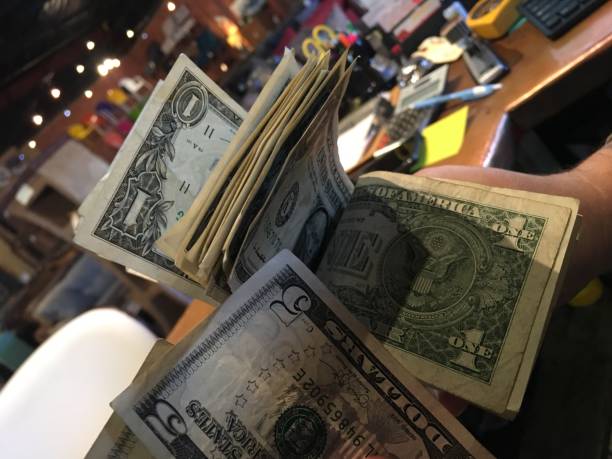
But something happened when I handed over cash that never happened with a card. I felt it leave. Not emotionally. Physically. The money was in my hand. Then it was not.
With a card, I felt nothing. With cash, I felt the loss.
Week Two: Awkward
I was at a coffee shop. My total was $4.25. I handed over a $5 bill. I got back 75 cents in change. Coins. I put them in my pocket. They jingled.
I used to never have coins. Now I had them. I had to carry them. I had to use them. I had to count them at the register while people waited behind me.
It was awkward. But that awkwardness made me think. Do I really need this coffee? Is it worth the coins in my pocket?
Sometimes the answer was yes. Sometimes it was no. Either way, I was thinking about it.
Week Three: Eye-Opening
I started noticing which things cost a lot and which cost a little.
| Item | Card Feeling | Cash Feeling |
|---|---|---|
| Coffee ($4) | Nothing | Small but noticeable |
| Takeout lunch ($15) | Nothing | A bill leaving my hand |
| Random stuff from a store ($30) | Nothing | Two bills. Felt real. |
| Book I wanted ($20) | Nothing | One bill. Decided not to buy it. |
The cash made me stop. Even for small purchases. I would look at my envelope. Then at the item. Then back at the envelope.
I did not buy less stuff overall. I just bought different stuff. I skipped the random things I did not actually want. I kept the things I actually wanted.
Week Four: Natural
By the last week, I was used to it. I carried a small wallet with cash. I counted change without holding up the line. I knew how much I had left without checking my phone.
I also stopped worrying. With a card, I was always a little anxious. Did I spend too much? Will my statement be high? With cash, I knew exactly. Envelope empty? Stop spending. Envelope not empty? I am fine.
No mystery. No surprise. No anxiety.
What I Learned
Cards hide the cost.
They make spending feel like nothing. Cash makes spending feel real. That feeling is useful. It helps you decide what actually matters.
Cash is not for everything.
I still used a card for rent, utilities, and online shopping. The experiment was for small, frequent purchases. The kind that add up without you noticing.
I spent less.
Not dramatically. But noticeably. About 15% less on food and small purchases. That was not the goal. But it was a nice side effect.
More importantly, I spent more carefully.
I did not feel deprived. I just stopped buying things I did not actually want.
What I Am Not Saying
I am not saying everyone should use cash. It is not convenient. It does not build credit. It does not earn rewards.
I am not saying credit cards are bad. They are useful for large purchases, online shopping, and building credit history.
I am not saying cash will solve your money problems. If you have serious debt or low income, cash alone will not fix that.
I am just saying: the experiment taught me something about my own spending that I did not know before. And that was worth the awkwardness.
A Small Experiment to Try
You do not need to do a whole month. Try one week.
Pick one category. Food. Coffee. Takeout. Whatever you spend on most days.
Withdraw cash for that category. Put it in an envelope. Use only that cash for one week.
At the end of the week, notice how you felt. Did you spend less? Did you think more? Did the awkwardness go away?
If it worked, try another week. If it did not, go back to your card. No harm done.
The Bottom Line
I paid for everything with cash for a month. It was annoying at first. Then awkward. Then eye-opening. Then normal.
I did not save a life-changing amount of money. But I learned how my small purchases added up. And I started making different choices.
The envelope was just paper. But it taught me more than any budgeting app ever did.
About the author: Nina Patel writes about personal finance from an ordinary person’s perspective. She is not a financial advisor. She just tried an experiment with cash.
This article reflects personal experience. Everyone’s spending habits are different. What worked for one person may not work for another.